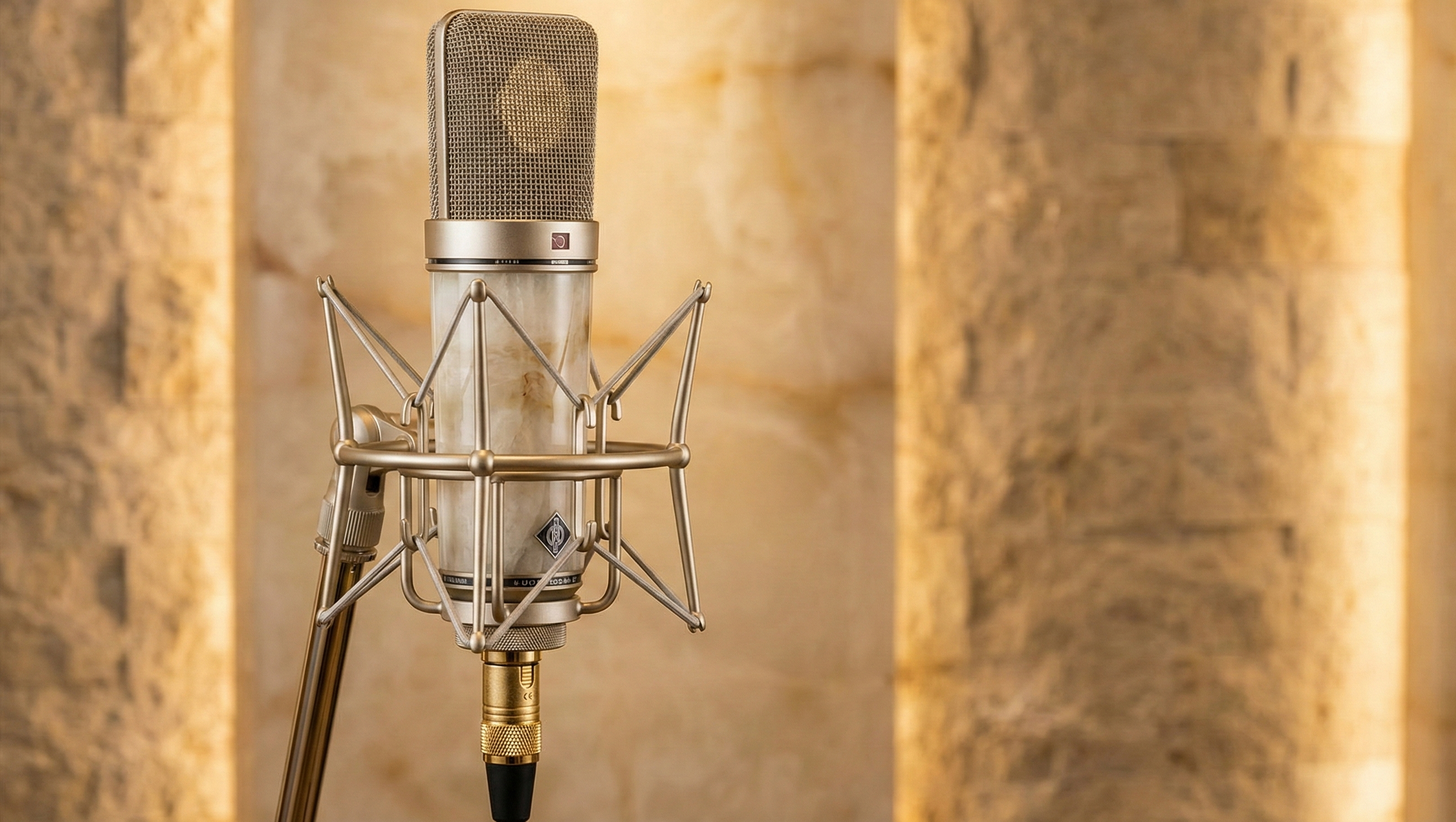
Why Choose Private Vocal Coaching?
Your voice is the only instrument you cannot see, making the right vocal coach in Singapore essential. While many schools offer generic "sing-along" sessions, KGMA specializes in private singing lessons that focus on the physiology of the voice—breath support, vocal fold closure, and resonance.
The 1-on-1 Advantage: Every voice is anatomically unique. In a group class, individual bad habits like jaw tension or shallow breathing often go uncorrected. At KGMA, we build your instrument from the inside out, whether you are seeking kids singing lessons to build confidence or adult vocal training to master professional techniques like belting and mixed voice.
Curriculum Tailored For Every Age
Singing Lessons for Children
Pitch, Posture & Confidence
Our "Junior Voices" program focuses on healthy vocal habits before bad ones set in. We use solfège (Do-Re-Mi) and movement to teach pitch accuracy, rhythm, and breath control in a fun, non-intimidating way.
The Hybrid Advantage
We blend proper technique (posture, breathing) with the songs they actually want to sing—from Disney classics to current radio hits.
Phase 1: The Breath
Learning to breathe low and deep, avoiding the "high shoulder" breath.
Phase 2: Pitch Matching
Ear training games to ensure they can hear a note and sing it back accurately.
Phase 3: Articulation
Clear diction using tongue twisters and vowel shaping exercises.
Phase 4: Performance
Standing tall and interpreting the lyrics of a song with emotion.
Vocal Lessons for Teenagers
DSA, Exams & Pop Style
Navigating the "voice change" can be frustrating. We help teens stabilize their changing instruments, expanding range safely while exploring styles like Pop, R&B, or Musical Theatre.
The Hybrid Advantage
We respect the teen's musical identity. Whether they want to ace ABRSM exams for DSA or learn to belt like Arianna Grande safely, we provide the technical roadmap.
Phase 1: Stabilization
Navigating the "break" or crack in the voice during puberty.
Phase 2: Resonance
Understanding Chest Voice, Head Voice, and how to mix them.
Phase 3: Style
Adding stylistic elements like vibrato, riffs, runs, and dynamic contrast.
Phase 4: Mic Technique
How to use a microphone effectively for recording or live performance.
Vocal Training for Adults
Professional Polish & Stress Relief
Whether you want to crush it at Karaoke night or simply speak with more authority in the boardroom, our adult curriculum is designed for efficiency. We fix breathiness, strain, and limited range quickly.
The Hybrid Advantage
We skip the nursery rhymes. You'll work on songs that match your taste—Jazz standards, Classic Rock, or Pop Ballads—while learning anatomy-based vocal science.
Phase 1: Support
Unlearning shallow breathing. Engaging the diaphragm and intercostal muscles.
Phase 2: Vocal Freedom
Releasing jaw and tongue tension that strangles the voice.
Phase 3: Range Extension
Smoothing out the "bridge" to hit high notes without shouting.
Phase 4: Interpretation
Making a song your own through phrasing, dynamics, and emotional connection.
Build Your Instrument
Singing is athletic. We train the muscles to do the work so the artistry can flow.
Breath Management
The engine of the voice. Appoggio technique for steady, powerful airflow.
Phonation
Clean vocal cord closure. Eliminating breathiness and establishing a clear tone.
Resonance
Placing the sound. Optimizing the pharyngeal space for volume and color.
Articulation
Vowels and Consonants. Diction that projects clearly without tension.
Leisure Karaoke
The Casual Route
Zero pressure. Focus on pitch accuracy, breath support, and confidence. Perfect for hobbyists who just want to sound great at KTV with friends.
Commercial & Pop
The Performer Route
Mix Voice, Belting, Microphone Technique, and Stylistic Nuance. For those aspiring to record, gig, or master modern vocal styles.
Classical & Theatre
The Academic Route
Legato lines, pure vowels, and acoustic projection. Rigorous preparation for ABRSM/Trinity graded exams and stage productions.
Why We Are Different
Standard schools teach songs. We teach vocal science.
The Plateau Breaker
Hit a wall? Select your frustration to see the KGMA solution.
"Push harder and hope for the best."
"We introduce 'Mixed Voice' technique, blending chest and head resonance to hit highs effortlessly."
The Syllabus Builder
Build your dream curriculum. Click tags to add them to your plan.
Find Your Vocal Archetype
Every voice is unique. Let's find out what kind of singer you are.
1. What is your current experience level?
The Vocal Powerhouse
You have big emotions and a big sound waiting to get out...
Did You Know? The Science of Singing
Tap the cards to discover the hidden benefits.
Natural High
Tap to Reveal
Stress Relief
Tap to Reveal
Lung Health
Tap to Reveal
Confidence
Tap to Reveal
Your Vocal Faculty
Dedicated Specialists
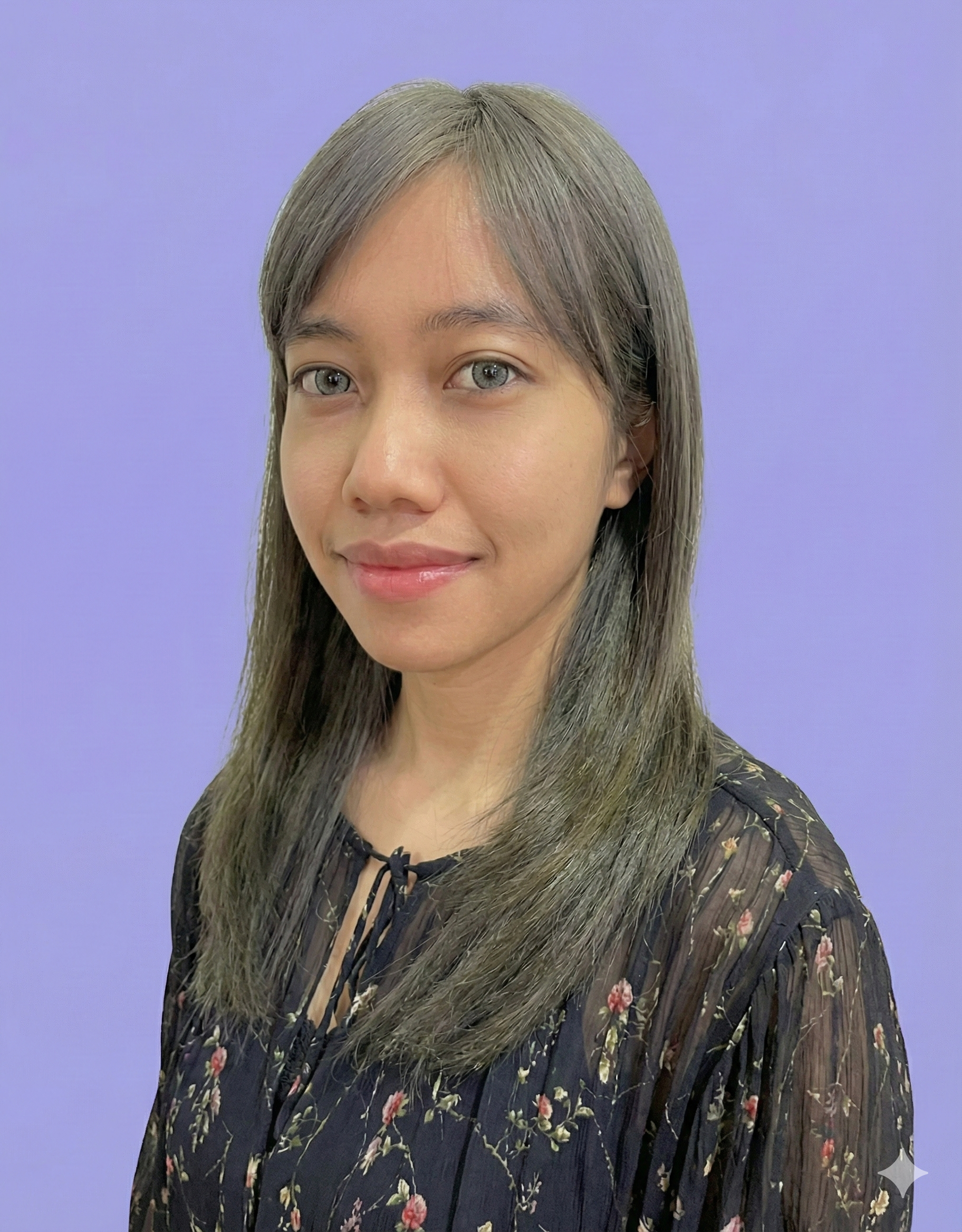
Chanel
Principal Vocal Director
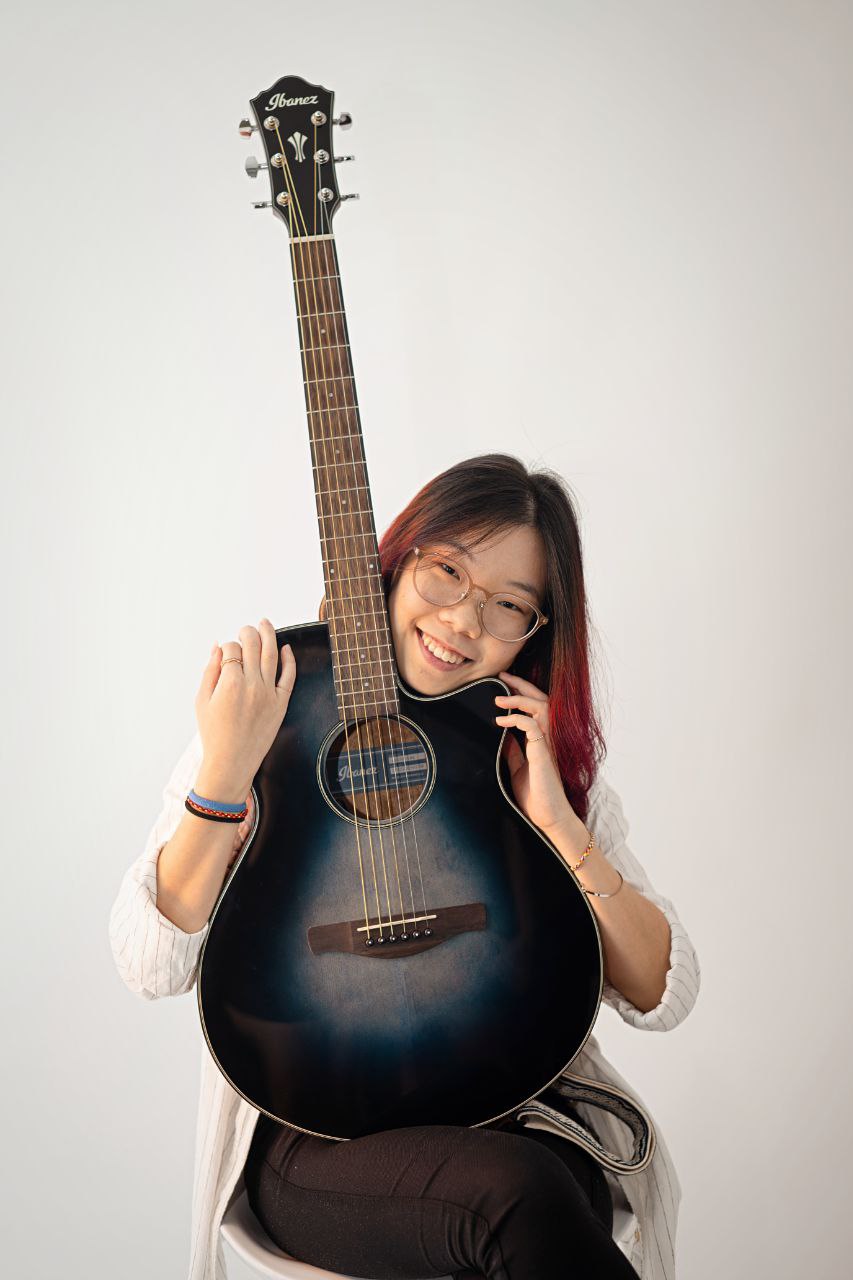
Aeona
Vocal Specialist

Jean Kai
Vocal Coach
Vocal Lesson Rates
Transparent pricing. No hidden costs.
Standard Curriculum
Aeona & Jean Kai
Principal Director
Chanel (Premium)
- Stage Performance Coaching
- Advanced Vocal Styling
- Recording Prep
Limited Availability
Additional One-Time Fees
*Deposit is fully refundable with 30 days official notice.
Frequently Asked Questions
Am I "tone deaf"? Can I still learn to sing?
True tone deafness (amusia) is extremely rare (less than 4% of the population). Most people who struggle with pitch simply lack the coordination between their ear and their vocal cords. With proper ear training and technique, 99% of "bad singers" can learn to sing in tune and with confidence.
Do you teach Pop songs or Classical?
We teach both! Our vocal coaches are versatile. We can build a foundation using healthy classical techniques (breath support, resonance) and apply them to the songs you love—whether that's Taylor Swift, Bruno Mars, or Broadway hits.
How long does it take to see results?
Vocal progress depends on practice, but most students feel a difference in breath control and ease within the first 3-4 lessons. Significant improvements in range and tone typically occur within 3-6 months of consistent training.
What is the best age to start singing lessons?
We accept students as young as 5 years old for our "Junior Voices" program, which focuses on rhythm and pitch matching. However, the voice is a biological instrument that changes over time, so we adapt our teaching for children, teens (voice change), and adults accordingly.